
Viton / FFKM O-Rings Explained: A Complete Technical & Buyer’s Guide Introduction Viton (FKM) and FFKM O-rings are two of the most critical elastomeric sealing solutions used in demanding industrial environments. As fluid systems move toward higher operating temperatures, aggressive media, and longer maintenance cycles, the choice between Viton and FFKM becomes a strategic engineering decision. This guide provides a full technical explanation of both materials, their performance envelopes, chemical compatibility, application use-cases, and selection criteria for OEMs, maintenance teams, and procurement professionals. 1. What Are Viton (FKM) O-Rings? Definition Viton is fluorocarbon elastomers under the FKM polymer family. These elastomers are engineered for high temperature resistance, excellent chemical compatibility, and superior long-term compression set performance. Key Characteristics Temperature Range: typically –20°C to +200°C, with specialty grades up to 230°C Hardness: 60–90 Shore A Chemical Resistance: oils, fuels, solvents, acids, hydrocarbons, and ozone Low gas permeability for vacuum and high-pressure applications Excellent resistance to swelling and degradation Common FKM Polymer Grades Type A: General-purpose automotive and industrial grade Type B: Improved base resistance (amines, acids) Type F / GF: Superior chemical resistance for process industries Low Compression Set Viton for long-life static seals Viton ETP (Extreme Chemical Resistance) – approaches FFKM-level performance Where Viton O-Rings Are Used Hydraulic & pneumatic systems Automotive fuel systems Oil & gas processing Chemical pumps and valves Food & pharma equipment (FDA grades available) Vacuum systems Aerospace and defence applications 2. What Are FFKM O-Rings? Definition FFKM (Perfluoroelastomer) O-rings represent the highest-performance elastomer category available today. They combine the thermal and chemical resistance of PTFE with the elasticity of rubber. Brand examples: Kalrez®, Chemraz®, Perlast®, Isolast®, etc. Key Characteristics Temperature Range: –15°C to +327°C (grade-dependent) Exceptional chemical resistance: compatible with >1, 800 chemicals Near-universal resistance including amines, ketones, esters, and supercritical fluids Very low compression set even at high temperatures Ideal for aggressive media and ultra-clean processes Where FFKM O-Rings Are Used Semiconductor fabs (plasma, etching, deposition) Pharmaceutical manufacturing Chemical reactors and mixers Oil & gas sour service High-temperature pumps and mechanical seals Aerospace propulsion systems Food & beverage sterilization environments Chemical Compatibility Viton: resistant to most oils, fuels, hydrocarbons; limited resistance to strong bases, ketones, steam, and organic acids. FFKM: near-universal chemical resistance; ideal for the most aggressive acids, bases, amines, steam, solvents. Cost Viton: economical, widely available. FFKM: 10–40× cost of Viton due to advanced polymer architecture and curing technologies. Service Life Viton provides long life in standard industrial conditions. FFKM delivers unmatched longevity in ultra-critical systems where downtime costs are extremely high. 4. Understanding FKM & FFKM Polymer Chemistry FKM Composition Fluorine content between 66–70% contributes to chemical resistance and thermal stability. Classified by monomer ratios (e.g., VF2, HFP, TFE). FFKM Composition Perfluorinated backbone similar to PTFE Virtually all hydrogen atoms replaced with fluorine, giving: Ultra-low chemical reactivity Superior temperature endurance Excellent long-term sealing at extreme conditions 5. How to Select the Right Material: Engineering Considerations Key Factors Temperature Range If above 230°C, FFKM is mandatory. Chemical Compatibility For strong amines, ketones, nitric acid, hydrochloric acid, steam: FFKM required. Pressure & Vacuum Both materials perform well; FFKM offers better thermal retention under load. Application Type Dynamic seals: low compression set Viton or high-hardness FFKM. Static seals: both viable depending on media. Cost vs. Downtime FFKM justified where equipment failure can cause production shutdowns. 6. Industry-Specific Use Cases Oil & Gas Sector Sour gas, hydrocarbons, drilling chemicals High-temperature downhole tools Chemical Processing Aggressive acids, caustics, and oxidizers Pumps, valves, mechanical seals Semiconductor Fabrication Plasma resistance Ultra-clean FFKM grades with minimal extractables Food, Pharma & Biotech FDA, USP Class VI compliant O-rings Clean-in-place (CIP), steam-in-place (SIP) environments Automotive & Transportation Fuel systems, emission controls High-temperature turbocharger systems 7. Viton & FFKM O-Ring Failure Modes and Prevention Typical Failures Compression set Chemical attack / swelling Thermal degradation Explosive decompression Abrasion (dynamic applications) Prevention Strategies Correct material selection Proper hardware design (groove size, squeeze, stretch) Controlled assembly lubrication Avoid over-tightening and extrusion gaps Ensure compatibility with cleaning agents and lubricants How Hydro Seals Supports Viton & FFKM O-Ring Requirements Hydro Seals supplies OEMs, maintenance contractors, EPC companies, and distributors with: Viton/FKM O-Rings (NORSOK, FDA, low compression set, Viton ETP) FFKM O-Rings (Kalrez® 6230, 7075, 0040 equivalents, Chemraz, Perlast) Custom sizes, inch/metric standards, AS568, BS1806/BS4518 Certificates of Conformance, Material Test Reports (MTR), FDA & USP Class VI Special compounds for steam, amines, high-pressure, or semiconductor-grade purity 10. Conclusion Viton (FKM) and FFKM O-rings play distinct but complementary roles in modern sealing applications. Viton provides a cost-effective, high-performance solution for most industrial environments. FFKM delivers unmatched thermal and chemical resistance for systems where seal failure is not an option. Understanding their differences, performance curves, and suitability to the operating environment ensures maximum reliability, reduced downtime, and optimized cost of ownership.


This is your website preview.
Currently it only shows your basic business info. Start adding relevant business details such as description, images and products or services to gain your customers attention by using Boost 360 android app / iOS App / web portal.
Viton / FFKM O-Rings Explained: A Complete Technical & Buyer’s Guide
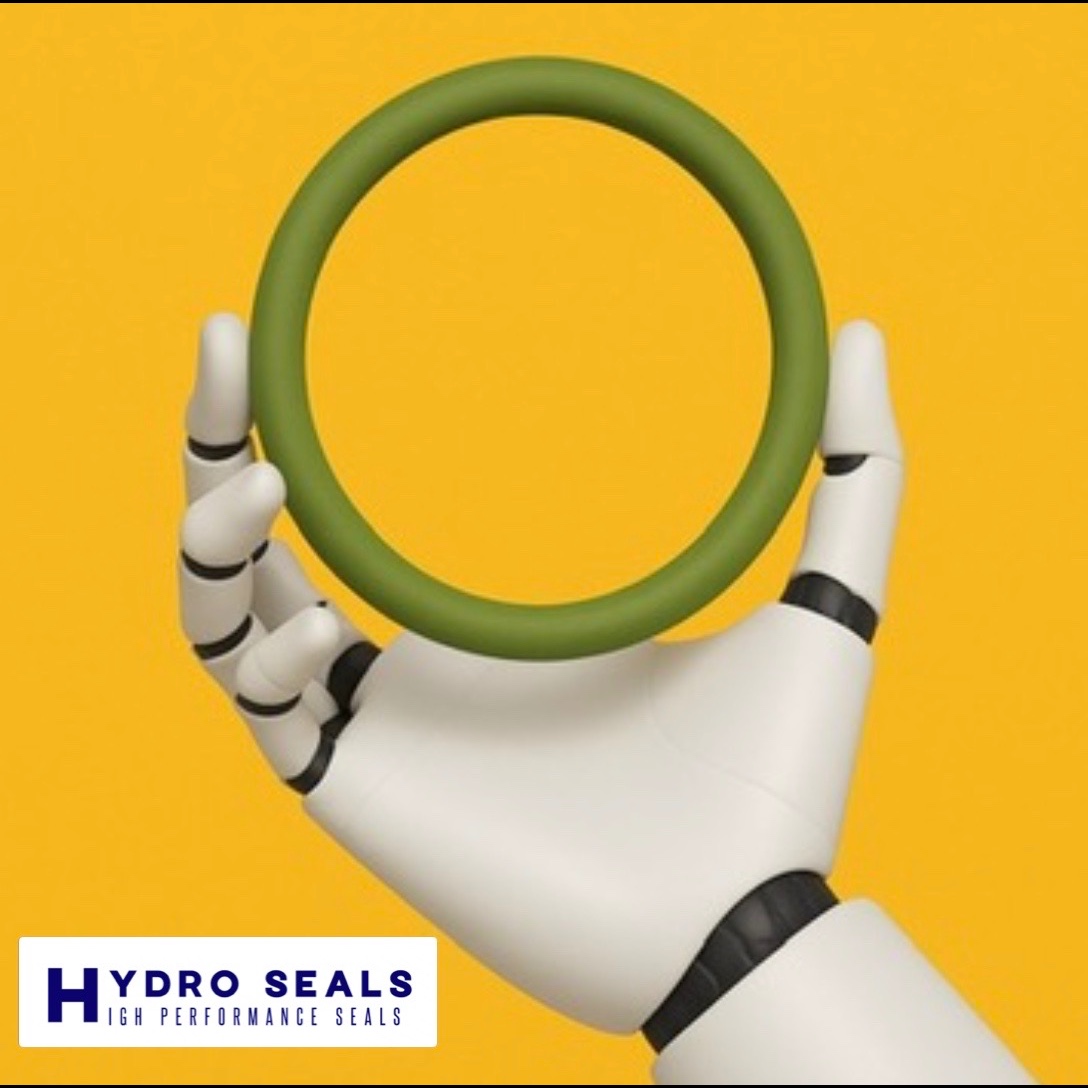
2025-12-13T17:41:25
Viton / FFKM O-Rings Explained: A Complete Technical & Buyer’s Guide Introduction Viton (FKM) and FFKM O-rings are two of the most critical elastomeric sealing solutions used in demanding industrial environments. As fluid systems move toward higher operating temperatures, aggressive media, and longer maintenance cycles, the choice between Viton and FFKM becomes a strategic engineering decision. This guide provides a full technical explanation of both materials, their performance envelopes, chemical compatibility, application use-cases, and selection criteria for OEMs, maintenance teams, and procurement professionals. 1. What Are Viton (FKM) O-Rings? Definition Viton is fluorocarbon elastomers under the FKM polymer family. These elastomers are engineered for high temperature resistance, excellent chemical compatibility, and superior long-term compression set performance. Key Characteristics Temperature Range: typically –20°C to +200°C, with specialty grades up to 230°C Hardness: 60–90 Shore A Chemical Resistance: oils, fuels, solvents, acids, hydrocarbons, and ozone Low gas permeability for vacuum and high-pressure applications Excellent resistance to swelling and degradation Common FKM Polymer Grades Type A: General-purpose automotive and industrial grade Type B: Improved base resistance (amines, acids) Type F / GF: Superior chemical resistance for process industries Low Compression Set Viton for long-life static seals Viton ETP (Extreme Chemical Resistance) – approaches FFKM-level performance Where Viton O-Rings Are Used Hydraulic & pneumatic systems Automotive fuel systems Oil & gas processing Chemical pumps and valves Food & pharma equipment (FDA grades available) Vacuum systems Aerospace and defence applications 2. What Are FFKM O-Rings? Definition FFKM (Perfluoroelastomer) O-rings represent the highest-performance elastomer category available today. They combine the thermal and chemical resistance of PTFE with the elasticity of rubber. Brand examples: Kalrez®, Chemraz®, Perlast®, Isolast®, etc. Key Characteristics Temperature Range: –15°C to +327°C (grade-dependent) Exceptional chemical resistance: compatible with >1, 800 chemicals Near-universal resistance including amines, ketones, esters, and supercritical fluids Very low compression set even at high temperatures Ideal for aggressive media and ultra-clean processes Where FFKM O-Rings Are Used Semiconductor fabs (plasma, etching, deposition) Pharmaceutical manufacturing Chemical reactors and mixers Oil & gas sour service High-temperature pumps and mechanical seals Aerospace propulsion systems Food & beverage sterilization environments Chemical Compatibility Viton: resistant to most oils, fuels, hydrocarbons; limited resistance to strong bases, ketones, steam, and organic acids. FFKM: near-universal chemical resistance; ideal for the most aggressive acids, bases, amines, steam, solvents. Cost Viton: economical, widely available. FFKM: 10–40× cost of Viton due to advanced polymer architecture and curing technologies. Service Life Viton provides long life in standard industrial conditions. FFKM delivers unmatched longevity in ultra-critical systems where downtime costs are extremely high. 4. Understanding FKM & FFKM Polymer Chemistry FKM Composition Fluorine content between 66–70% contributes to chemical resistance and thermal stability. Classified by monomer ratios (e.g., VF2, HFP, TFE). FFKM Composition Perfluorinated backbone similar to PTFE Virtually all hydrogen atoms replaced with fluorine, giving: Ultra-low chemical reactivity Superior temperature endurance Excellent long-term sealing at extreme conditions 5. How to Select the Right Material: Engineering Considerations Key Factors Temperature Range If above 230°C, FFKM is mandatory. Chemical Compatibility For strong amines, ketones, nitric acid, hydrochloric acid, steam: FFKM required. Pressure & Vacuum Both materials perform well; FFKM offers better thermal retention under load. Application Type Dynamic seals: low compression set Viton or high-hardness FFKM. Static seals: both viable depending on media. Cost vs. Downtime FFKM justified where equipment failure can cause production shutdowns. 6. Industry-Specific Use Cases Oil & Gas Sector Sour gas, hydrocarbons, drilling chemicals High-temperature downhole tools Chemical Processing Aggressive acids, caustics, and oxidizers Pumps, valves, mechanical seals Semiconductor Fabrication Plasma resistance Ultra-clean FFKM grades with minimal extractables Food, Pharma & Biotech FDA, USP Class VI compliant O-rings Clean-in-place (CIP), steam-in-place (SIP) environments Automotive & Transportation Fuel systems, emission controls High-temperature turbocharger systems 7. Viton & FFKM O-Ring Failure Modes and Prevention Typical Failures Compression set Chemical attack / swelling Thermal degradation Explosive decompression Abrasion (dynamic applications) Prevention Strategies Correct material selection Proper hardware design (groove size, squeeze, stretch) Controlled assembly lubrication Avoid over-tightening and extrusion gaps Ensure compatibility with cleaning agents and lubricants How Hydro Seals Supports Viton & FFKM O-Ring Requirements Hydro Seals supplies OEMs, maintenance contractors, EPC companies, and distributors with: Viton/FKM O-Rings (NORSOK, FDA, low compression set, Viton ETP) FFKM O-Rings (Kalrez® 6230, 7075, 0040 equivalents, Chemraz, Perlast) Custom sizes, inch/metric standards, AS568, BS1806/BS4518 Certificates of Conformance, Material Test Reports (MTR), FDA & USP Class VI Special compounds for steam, amines, high-pressure, or semiconductor-grade purity 10. Conclusion Viton (FKM) and FFKM O-rings play distinct but complementary roles in modern sealing applications. Viton provides a cost-effective, high-performance solution for most industrial environments. FFKM delivers unmatched thermal and chemical resistance for systems where seal failure is not an option. Understanding their differences, performance curves, and suitability to the operating environment ensures maximum reliability, reduced downtime, and optimized cost of ownership.
2025-12-13T17:41:25


Keywords
- Viton FKM and FFKM for oil and gas
- FKM and FFKM selection criteria
- Chemical processing FFKM O-Rings
- Viton FKM vs FFKM sealing performance
- FFKM O-Rings for ultra-critical systems
- Industrial use Viton FKM sealing materials
- FFKM perfluoroelastomer chemical compatibility
- Viton FKM elastomer sealing solutions
- High-temperature FFKM O-Rings applications
- Viton FKM O-Rings for chemical resistance
Submit Your Enquiry